Electric Tender – 5 Reasons Lumen’s Deliver Stunning Quiet Luxury
Electric tenders don’t roar — they whisper. And honestly, sometimes that’s exactly what you want when you’re sneaking guests off a superyacht for cocktails without announcing your arrival to the entire marina. Petrol outboards had their day. Now you get instant torque, fewer fumes, and a much happier seagull population.
Why electric tenders matter
Tenders run short, repetitive missions close to shore and people. Noise and emissions aren’t just annoying — they’re a real problem.
Electric propulsion fixes both: silent operation, zero local exhaust, and superb low-speed control. Docking goes from wrestling match to graceful curtsy.
Bonus: fewer moving parts equals less maintenance drama. Think swapping a grumpy old lawnmower for a well-trained robot dog.
How electric tenders work — the nautical elevator pitch
Swap the ICE outboard or sterndrive for electric motors fed by lithium-ion batteries.
Key components: battery pack, motor(s) (pod, direct-drive or jet), motor controller, onboard charger/shore-power interface, and your prop or jet unit.
Pod motors reduce drivetrain loss and noise. Jet drives suit shallow water and keep props away from swimmers.
Takeaway: Battery + motor + smarter hull choices = calmer water vibes.
Real-world examples and industry momentum
Manufacturers are investing across different approaches:
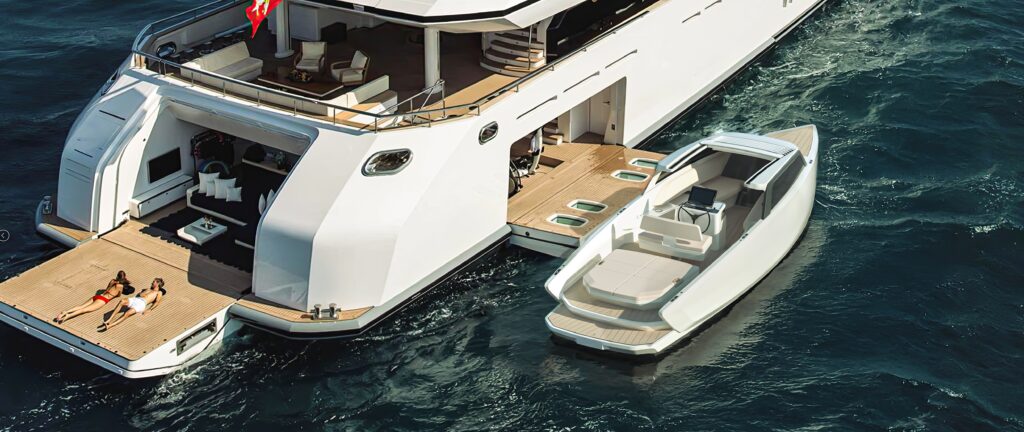
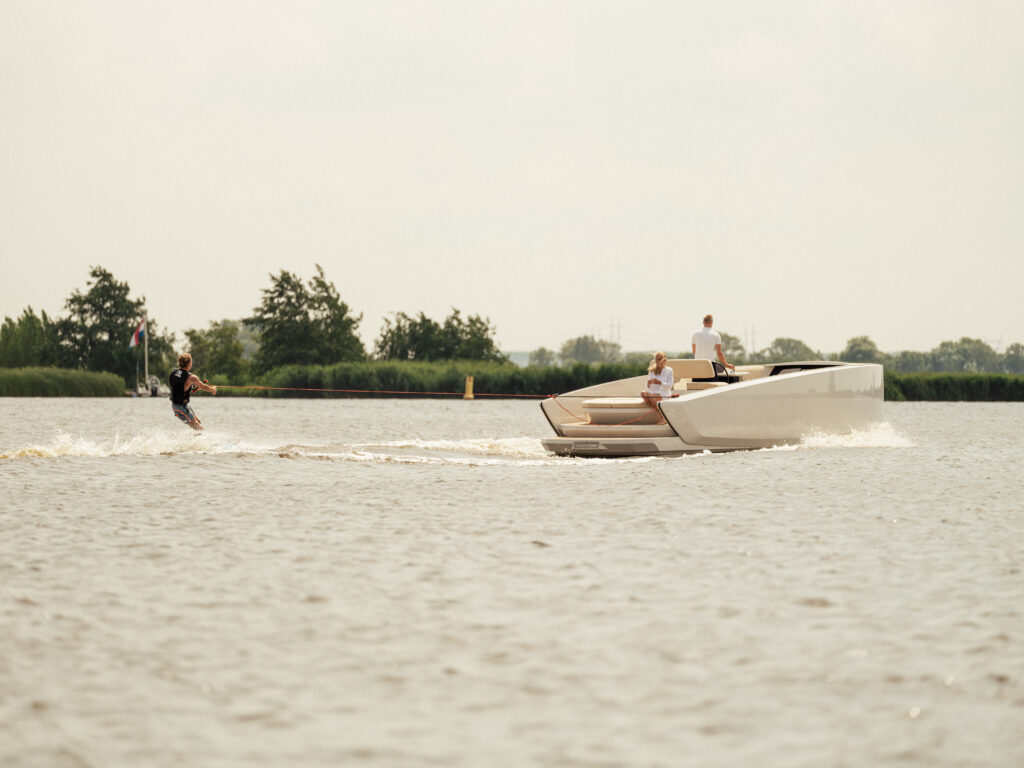
Lumen E10 — a 10 m electric tender focused on range and hush. Lumen claims 120–160 km on a charge thanks to a low-drag semi‑glider hull and twin pod drives; designed by Mulder and built by JR Yachts.
Williams EvoJet 70e — an electrified jet-driven platform blending performance and luxury.
EJET — full-electric jet tenders with user-friendly controls and driving modes.
Highfield, Zodiac, Silent Yachts, ZeroJet — offering electric options from practical inflatables to larger shuttle tenders.

Hot take: builders optimize for different mission priorities — maximum range, shallow-water safety, or ultra-light shuttles — so there’s an electric tender for almost every use case.
Lumen E10: short case study
Role: 10 m tender for superyachts or day cruising.
– Claimed range: roughly 100–160 km depending on load and speed — higher than many rivals.
– Propulsion: twin pod motors (around 38 kW each in some setups) with an ~81 kWh battery option in certain configurations.
– Focus: acoustic comfort — hull shaping, prop and interior tuned for serenity.
Built: designed by Mulder, built by JR Yachts in the Netherlands.
Why owners smile boarding an electric tender
Guest experience: no vibration, no roar — better conversations, nicer photos, less perfume ruined by exhaust.
Environmental creds: zero local emissions; cleaner harbors. Charge with green power and you earn a sustainability halo.
Savings over time: fewer service items and cheaper ‘fuel’ reduce operating costs.
Maneuverability: instant torque plus joystick and steer-by-wire systems make docking genuinely enjoyable.
Takeaway: It’s not just about being green — it’s about a better experience for guests and crew.
Limitations your accountant will ask about
Upfront cost: electric options often carry a premium over ICE setups.
Range anxiety: match battery capacity to the actual mission, not Instagram fantasies.
Weight and trim: batteries are heavy and affect how the boat sits; design and placement matter.
Service network: electrical systems need specialist techs; ensure dealer support and spares.
Reality check: run the numbers on typical trip profiles — distance, load, daily runs — before you buy. We would love to find the right fit for you.
How to choose the right electric tender — a practical checklist
Define the mission: distances, passenger count, cargo, frequency.
Prioritize range vs weight: more kWh = more range but more mass.
Hull type: semi‑glider for range; planning hulls for faster runs.
Propulsion: pods for efficiency and low noise; jets for shallow water and safety.
Charging strategy: shore-power, onboard chargers tied to the mothership, or solar top-ups.
Controls and ergonomics: joystick docking, integrated displays, autopilot compatibility.
Support: warranty coverage, dealer proximity, authorized service.
Takeaway: Match the tender to your real-world needs, not your fantasy top speed.
Practical charging tips
Install a dedicated high-power shore charger to minimize turnaround.
Fit an onboard charger on the mothership if possible — overnight top-ups are your friend.
In remote anchorages, plan conservatively — heavy load plus headwind shrinks range.
Solar topping on the mothership can extend short-shuttle autonomy; every kWh helps.
Takeaway: Good charging habits turn range into reliability.
Industry voice — short and to the point
Trade press and builders agree: electric tenders are a practical, increasingly mainstream option that improves guest experience and reduces environmental impact.
Next practical moves
Model your tender missions (distances, people, runs/day).
Book demos — insist on joystick docking trials and a full-day run if possible.
Compare total cost of ownership, not just sticker price.
Discuss integration with your yard — charging, battery placement, and stowage matter.
If long range and serenity matter, demo the Lumen E10.
Quieter rides, cleaner air, simpler maintenance — and enough tech to make even the crew smirk. The electric tender isn’t a fad; it’s better suited to today’s marina etiquette and guest expectations. Want help sketching a mission profile or picking demo boats? I’ll pretend to be surprised to be helpful.